Rural Women Stories
Documenting women who feed, heal, power, and educate Nigeria’s rural economies — with economic rigour and dignity.
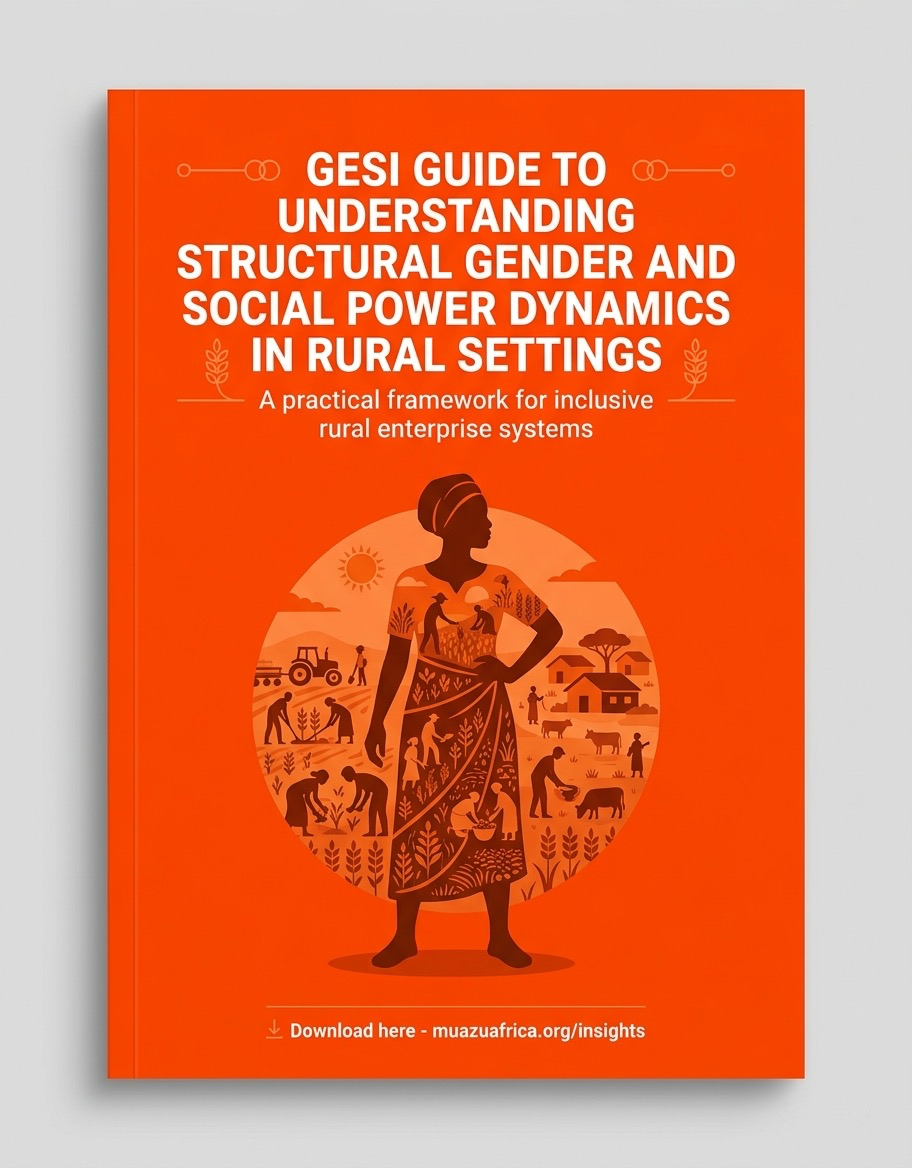
Women’s labour in rural food production
Agricultural land held by women
Enterprises audited via RVR + GESI
Value retained in communities
What’s Coming — Don’t Miss It
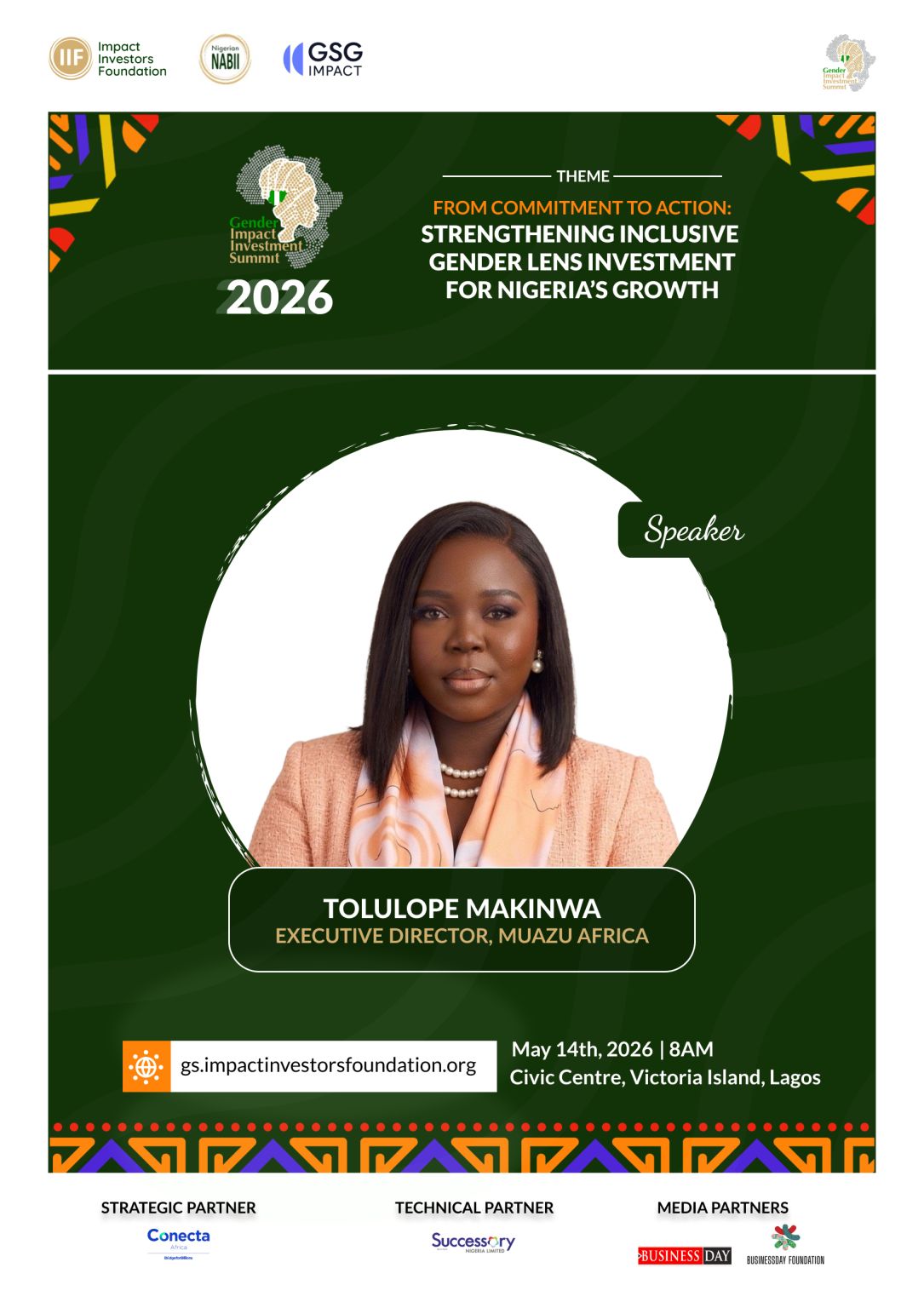
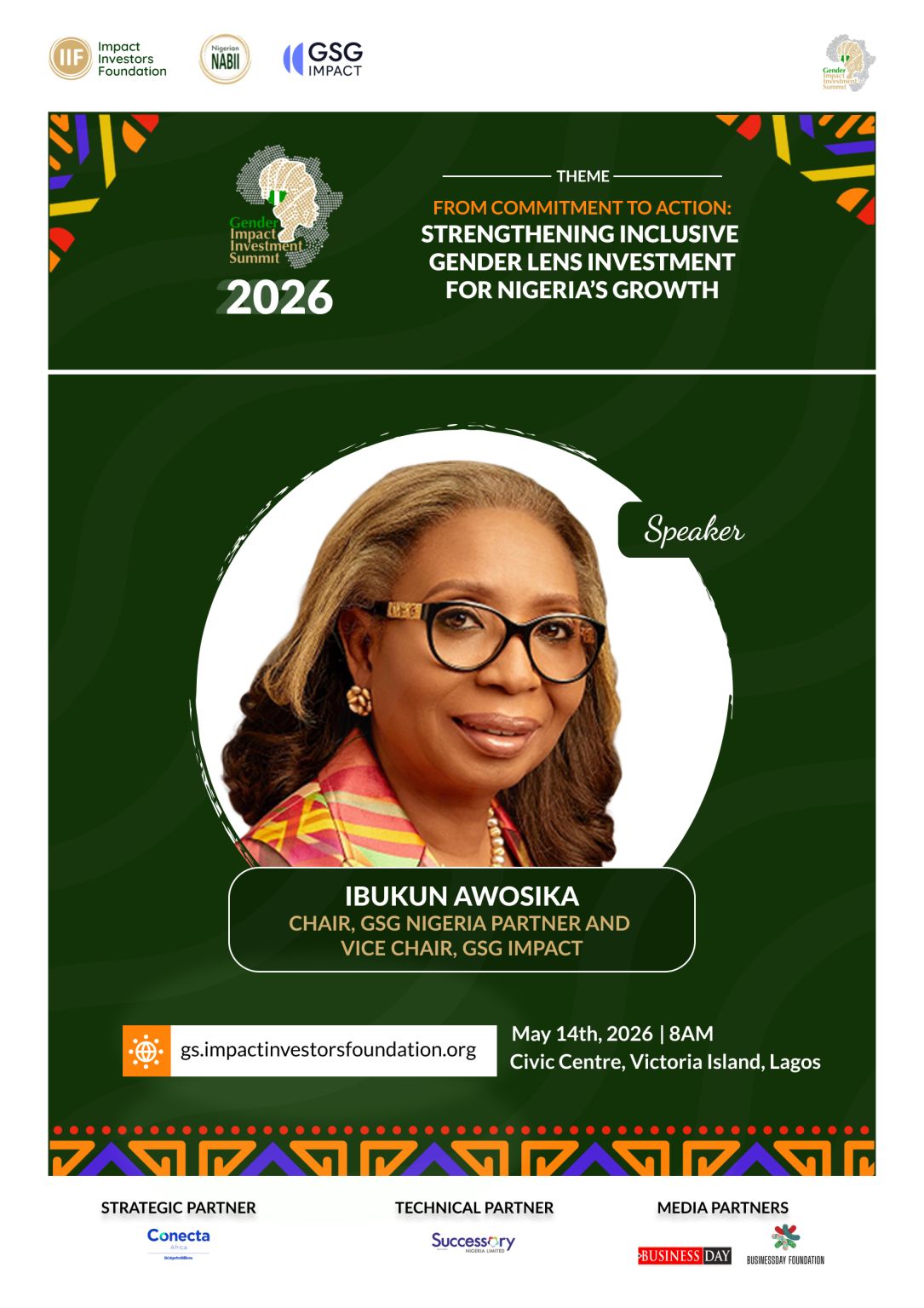
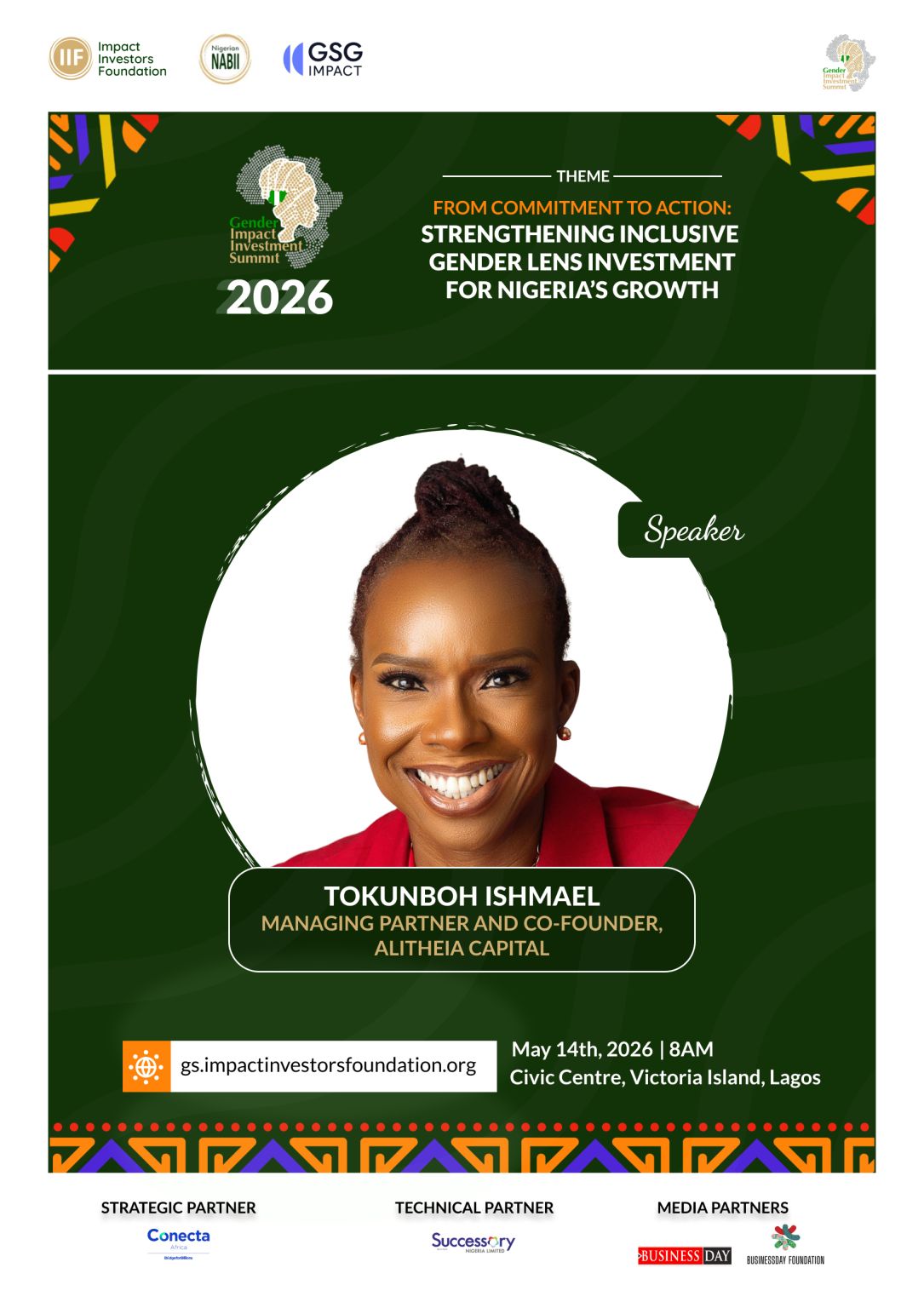
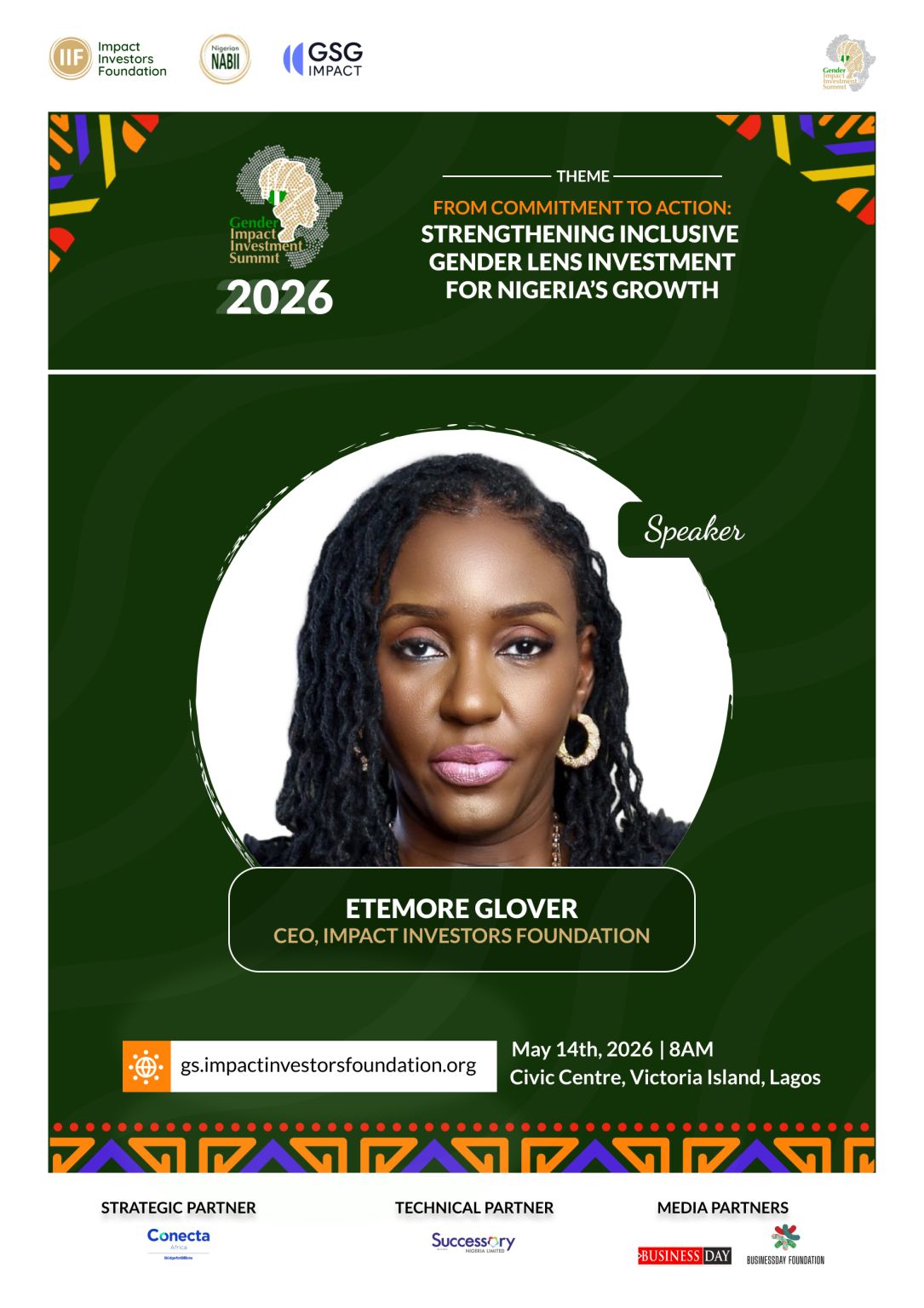
Muazu Africa at the Summit — Today
Oral presentation on gender and power dynamics in rural settings. Bringing the RVR + GESI framework to Nigeria’s premier gender-lens investment conference.
Our Gender Equality & Social Inclusion Framework
Muazu Africa is aligned with 2X Global criteria and actively building toward certification. Our GESI architecture is intelligence-led, publicly disclosed, and embedded across every programme we deliver.
Strategic Commitment
Muazu Africa exists to make rural women’s power visible and investable. Our intelligence-led diagnostics and GESI lens are built around this — not appended.
Management Systems
All diagnostics are gender-disaggregated. We measure women’s position in value chains — ownership stakes, decision rights, and control over pricing and margin.
Data & Disclosure
We track % women founders, leaders, and employees across 71 audited enterprises — disaggregated by thematic track, state, and enterprise type.
Safeguarding
Zero tolerance for GBV and harassment across all programmes. Muazu Africa operates a formal safeguarding policy across every community liaison touchpoint.
Inclusive Data Systems Fund
A dedicated budget line for gender-disaggregated data collection, GESI scorecards, and women’s enterprise intelligence — aligned to 2X Global and IRIS+ metrics.
Disability Accessibility Line
Structured accommodations across all training, consultation, and diagnostic touchpoints — ensuring women with disabilities are included in enterprise development pathways.
Safeguarding Framework — Public Disclosure
A dedicated safeguarding policy and reporting mechanism for all Muazu Africa-affiliated programmes. Public disclosure Q3 2026.
Women-Only Consultation Processes
Formal, dedicated consultation spaces — where women’s voices are collected without the influence of mixed-gender power dynamics.
Five Women. Five Verticals. One Economy.
These founders represent millions of women whose economic contribution is systematically undercounted, undervalued, and underfinanced across Nigeria’s rural corridors.

Connecting producers to improved inputs and market opportunities. Helping farmers increase yields and retain more value locally.
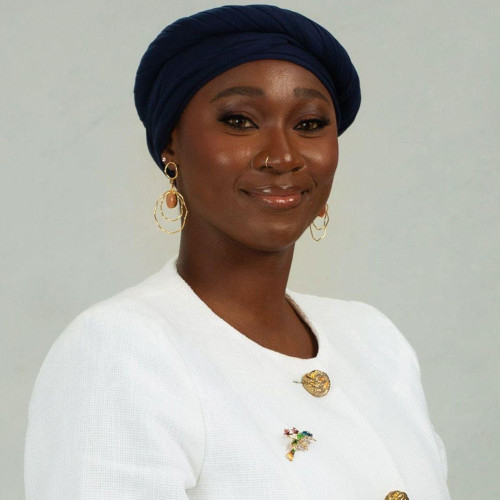
Expanding access to quality medical services in underserved communities. Improving primary healthcare delivery.
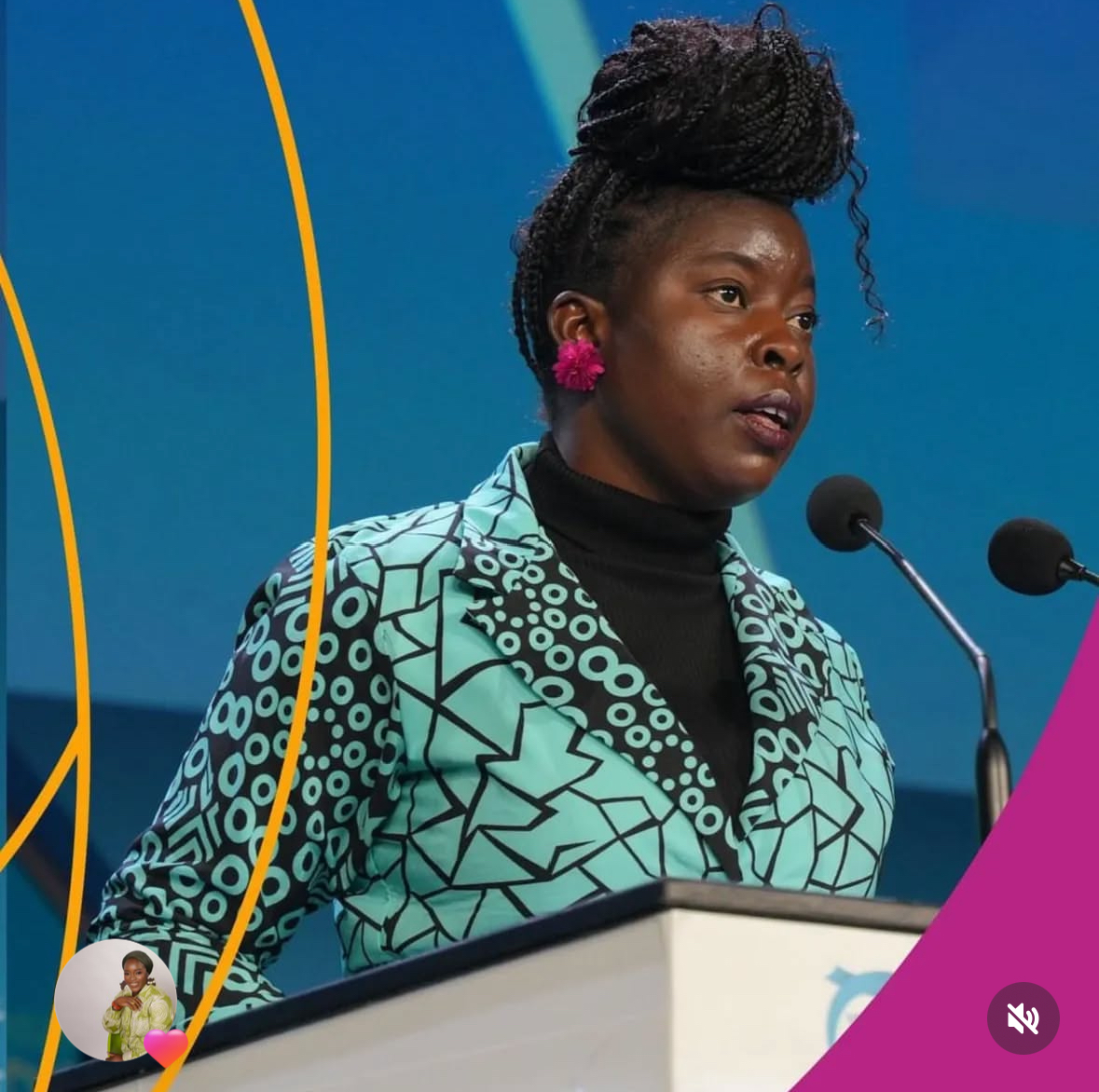
Amplifying voices of communities affected by climate change through policy advocacy and grassroots engagement.

Expanding renewable energy access and supporting sustainable energy solutions across African communities.

Strengthening education and opportunity creation across underserved communities. Supporting girls’ economic participation.
Structural Power: Validating Rural Women’s Realities
NBS data and related studies confirm significant gender disparities in rural Nigeria that align with Muazu Africa’s framework of structural power for rural women. These findings validate the systemic barriers to economic agency documented in our Rural Women Stories.
Rural women face interlocking barriers across four critical dimensions that determine their economic agency. National Bureau of Statistics data—combined with FAO and state-level research—reveals the scale of structural inequality that makes women’s enterprise invisible to formal systems.
Land Ownership & Collateral Access
Essential Time to Service & Time Poverty
Intra-Household Dynamics & Decision Power
Aggregate Structural Imbalance
Structural Power Dimensions: Evidence Summary
| Dimension | Key Statistic | Impact on Economic Agency | Source |
|---|---|---|---|
| Land Ownership | 8–10% women landowners | No collateral → 6% formal credit access | NBS, FAO |
| Time Poverty | 2.5x unpaid care work | Reduced market engagement & income | NBS Time-Use Survey |
| Household Power | 21.1% female-headed HH | Limited decision rights despite 60–80% labor | NBS GHS-Panel |
| Aggregate Gap | 70% agric labor by women | Marginalized in assets, credit, decisions | NBS Women & Men 2022 |
From Evidence to Action
Muazu Africa uses this evidence base to structure our Gender Equality and Social Inclusion (GESI) framework and Gender-Lens Investing (GLI) advocacy. We don’t document stories for sentiment—we document them to build the data infrastructure that makes rural women’s economic power visible, measurable, and investable.
Where We Stand — and Where We Are Headed
Status: 2X Global Aligned — Pre-Certification. Muazu Africa integrates 2X Global threshold criteria into our enterprise diagnostics, GESI data collection, and programme design. Formal certification is in progress.
Leadership
Women in leadership across Muazu Africa’s team, advisory board, and portfolio enterprises. Executive Director is a woman.
Active · TrackedOwnership
RVR framework measures women’s ownership position across 71 audited enterprises. We track equity stake, pricing authority, and capital retention.
Active · RVR-MeasuredEmployment
We track % women employees, unpaid labour contributors, and value chain participants disaggregated by role and income tier.
Partial · ExpandingWorkplace Standards
Zero tolerance for gender-based violence and harassment. Safeguarding policy active across all field activations.
Active · Policy LiveCommunity & Value Chain
RVR + GESI diagnostics trace structural barriers women face in aggregation, processing, financing, and market access.
Active · RVR-IntegratedData & Governance
All diagnostics are gender-disaggregated. GESI data embedded in RVR scorecard and enterprise profiles. Governance structure in development.
In Progress · Q3 2026Muazu Africa is a Women’s Empowerment Principles (WEPs) Signatory and integrates GESI across its rural enterprise development, investment readiness, and value chain programmes. All diagnostics are gender-disaggregated and built to meet DFI GESI threshold requirements.
View WEPs ProfileDocumenting the Invisible Architects
Building Nigeria’s first structured archive of women-led rural enterprise, documented with economic rigour and presented with dignity.
Your nomination builds a permanent record of her economic contribution.
Send an EOI to info@muazuafrica.org — subject line: #RuralWomenStories Nomination