Rural Women Stories
Celebrating women founders building resilient rural economies across Nigeria. In honor of Women’s Month — March 2026.
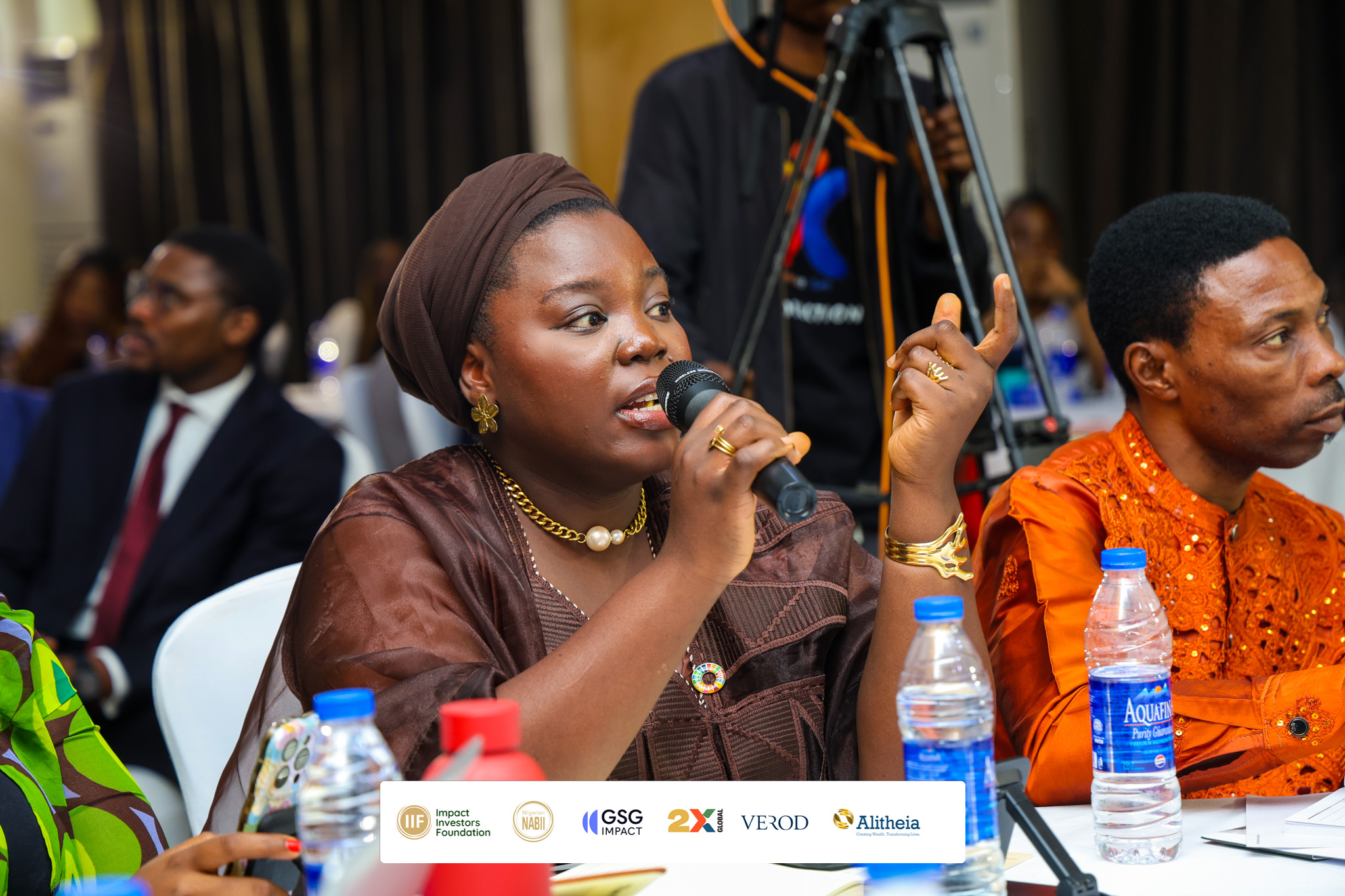
Muazu Africa’s Executive Director Tolulope Makinwa participated in the Nigeria Gender Smart and Inclusive Capital Training Workshop, hosted by Impact Investors Foundation with support from 2X Global, Alitheia Capital and Verod Capital,, reinforcing the importance of financing models that strengthen women’s leadership and ownership across rural value chains.
As a Women’s Empowerment Principles (WEPs) signatory, Muazu Africa integrates Gender Equality and Social Inclusion (GESI) into enterprise development, investment readiness, and rural economic systems design.
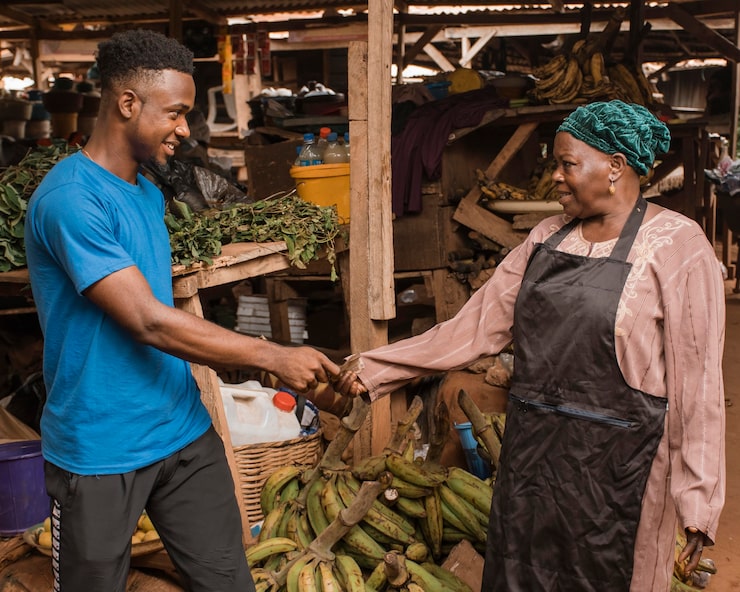
Muazu Africa’s RVR Framework applied with a GESI lens produces the most precise measure of women’s structural position in a rural value chain — not participation counts, but ownership stakes, pricing authority, and capital access scores.
Across 71 audited enterprises, women-led operations score lowest on Margin Control and Capital Readiness — not because they are less viable, but because the architecture of rural markets is designed to extract from them.
Apply the RVR ToolFive Women. Five Verticals. One Economy.
These founders represent millions of women whose economic contribution is systematically undercounted, undervalued, and underfinanced across Nigeria’s rural corridors.

Nyifamu Manzo is the founder of Farmatrix, an agricultural enterprise focused on improving productivity and market access for smallholder farmers. Through Farmatrix, she connects producers to improved inputs, technical support, and market opportunities — helping farmers increase yields, stabilize incomes, and retain more value within local agricultural economies.
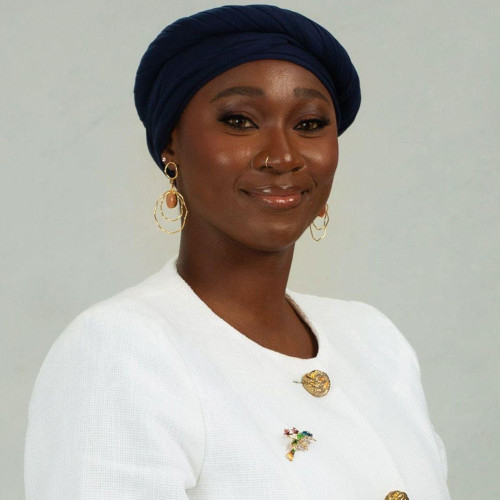
Folake Kofo-Idowu leads Iyewo Clinic, a community-focused healthcare initiative working to expand access to quality medical services in underserved communities. Her work centers on improving primary healthcare delivery, strengthening preventative care, and ensuring rural populations can access essential medical support closer to home.
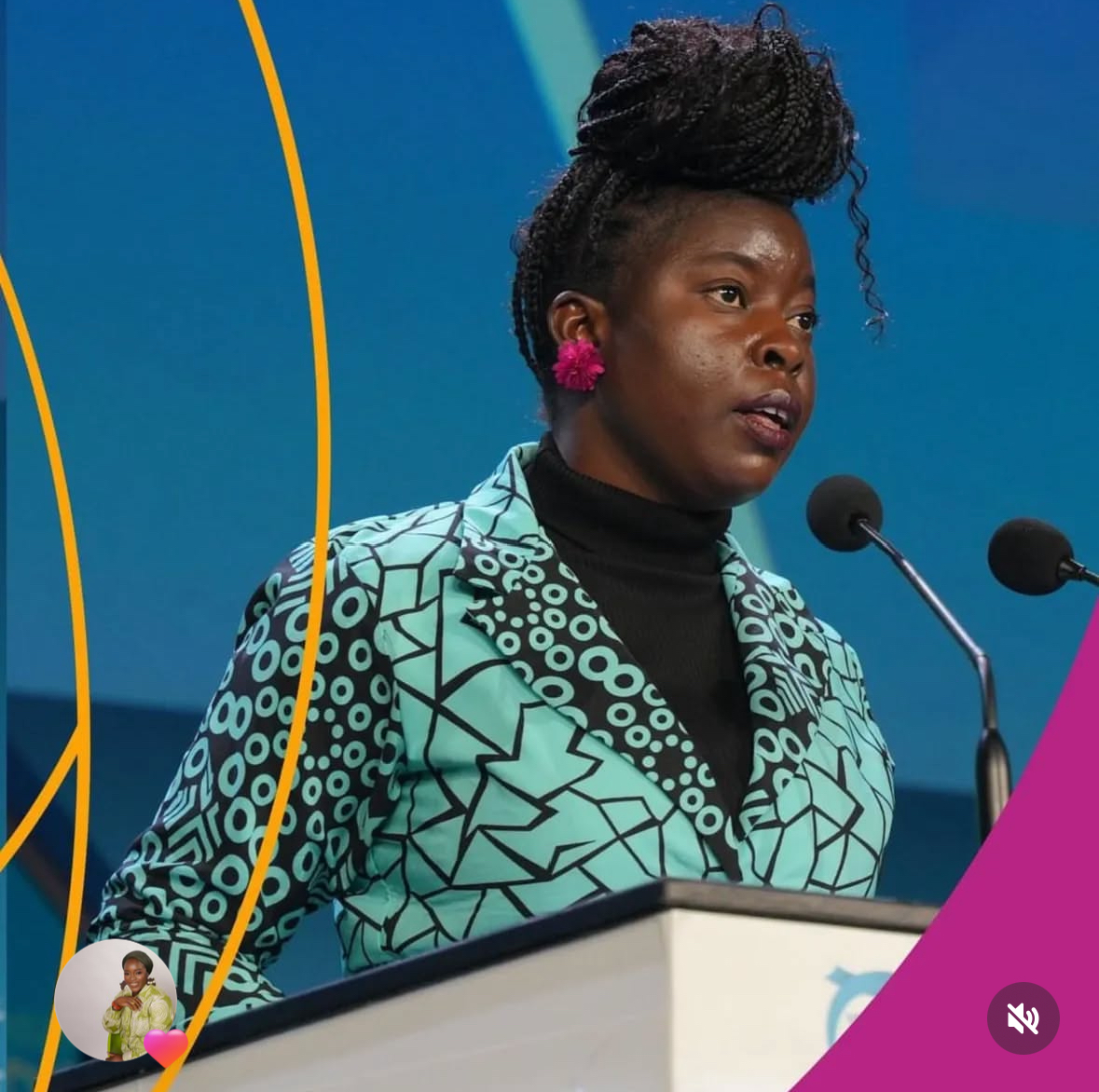
Adenike Oladosu is the founder of I Lead Climate Initiative, a youth-led movement advocating for climate justice and environmental resilience across Africa. Her work focuses on amplifying the voices of communities most affected by climate change through policy advocacy, awareness campaigns, and grassroots engagement.
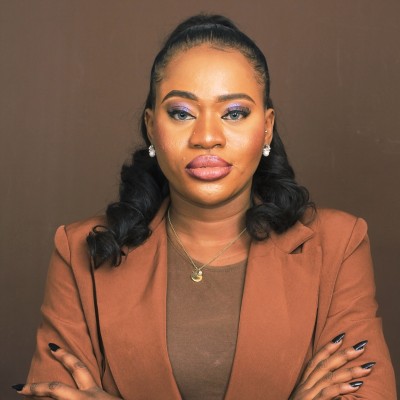
Deborah Fadeyi leads REES Africa, an organization focused on expanding renewable energy access and supporting sustainable energy solutions across African communities. Her work promotes clean energy innovation, energy access, and capacity building — helping communities transition toward more sustainable and resilient energy systems.

Deborah Evbotokhai is a social entrepreneur working to strengthen Education development and opportunity creation across underserved communities. Her work focuses on supporting girls and expanding economic participation for them within emerging rural markets.
Documenting the Invisible Architects of Rural Economies
Muazu Africa is building Nigeria’s first structured archive of women-led rural enterprise, documented with economic rigour and presented with dignity. Share a story. Nominate a founder.
Your nomination builds a permanent record of her economic contribution.
Send an EOI to info@muazuafrica.org — subject line: #RuralWomenStories Nomination
Required Information
Capacity That Translates to Capital Access
Structured, investment-readiness capacity tied to the specific leakage points each enterprise faces — not generic business skills.
A structured 3-day intensive for women-led enterprises ready to prepare investor-grade profiles, complete RVR assessments, and enter Muazu Africa’s DFI and ESO referral network. Certificate abailable*
Register InterestIntelligence on Rural Women and Value Retention
Evidence-based analysis for investors, policymakers, and ESOs on the structural position of women in rural value chains.
Women’s participation in production is high. Control over aggregation, processing, and financing remains limited. This article traces the structural mechanisms that determine who retains value.
Read MoreA node-by-node analysis of which value chain stages are accessible to women as owners, not merely workers. The gap between participation and control is where the investment case lives.
Read MoreWhy counting women in a portfolio is not the same as investing in the structural conditions that allow women to retain and compound value. A framework that goes beyond representation metrics.
Read MoreAggregation infrastructure, storage access, and financing structures determine whether rural markets extract from women or enable them to retain margin.
Read MoreMuazu Africa is a Women’s Empowerment Principles (WEPs) Signatory and integrates Gender Equality and Social Inclusion (GESI) across its rural enterprise development, investment readiness, and value chain strengthening programs. All diagnostics are gender-disaggregated and built to meet DFI GESI threshold requirements.